
Solution proposed by : IRD
Ekolo Mundo does not control the feasibility or viability of the proposed solutions
Structure : IRD (French National Research Institute for Sustainable Development)


Difficulty level :
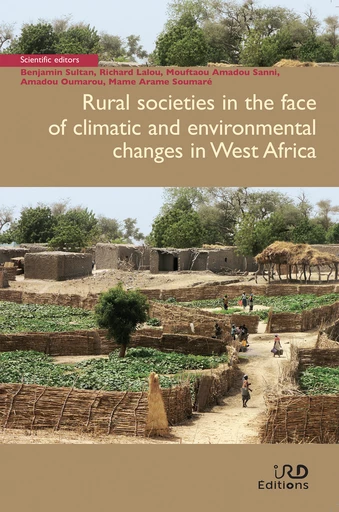
The future of West Africa depends on the ability of its agricultural sector to ensure food security for a population expected to double over the next 20 years, while addressing the new risks posed by global warming. Indeed, the changes in temperature and precipitation that are already underway—and are expected to become more pronounced—will have serious consequences for agricultural production and water resources in this part of Africa in the near future.
One of the keys to meeting this new challenge is the adaptation of rural societies to climate risks. To gain a better understanding of the potential, processes, and barriers, this book analyzes recent and ongoing trends in the climate and the environment and examines how rural societies perceive and integrate them: what are the impacts of these changes, what vulnerabilities exist, but also what new opportunities do they bring? How do populations adapt, and what innovations do they implement—while climate-induced effects interact with the social, political, economic, and technical changes currently underway in Africa?
By bringing together French and African scientists (climatologists, agronomists, hydrologists, ecologists, demographers, geographers, anthropologists, sociologists, and others) in a multidisciplinary approach, the book makes a valuable contribution to better anticipating climate risks and assessing African societies’ ability to withstand them.
TABLE OF CONTENTS
1. Recent and future climate change in West Africa. Obvious features, uncertainties, and perceptions
2. Impacts of climate and environmental changes
3. Social changes in rural populations
4. Adaptation of farming systems, innovations
FEATURES
Publisher: IRD Editions
Series: Synthèses
Publication date: November 24, 2017