
Sign in Create an account

TOOLS AND KNOW-HOW

TO TRANSFORM THE WORLD!

Rainwater in Cisterns (Storage, Treatment)

Ekolo Mundo does not control the feasibility or viability of the proposed solutions

Structure :

France

Solution proposed by : Bernadette Gottvalles

Difficulty level :

# watering

Description

Rainwater can be stored indefinitely for consumption with proper filtration and regular use. This water can be used to water the garden.

To make rainwater safe to drink, it is necessary and mandatory to install a much finer filtration system. Regular testing will help detect contaminants and ensure the rainwater is safe to drink.


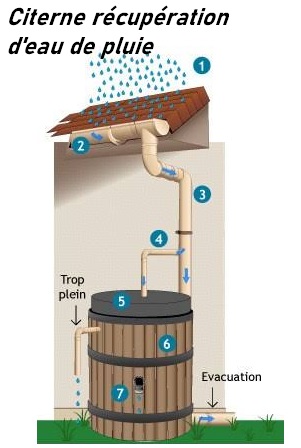
How do you store rainwater in a tank?

When in contact with the tank, rainwater retains its acidity, which can lead to corrosion problems. To address this issue, simply place limestone or cinder blocks at the bottom of the tank. If the ground is unstable, it is recommended to lay a concrete slab beneath the tank.

The lifespan of a rainwater cistern varies depending on the material: 30 to 50 years for concrete, 20 to 30 years for plastic (HDPE), and 15 to 20 years for a flexible cistern. 


How do you keep the water clean in a rainwater tank?

To keep the water clean in a rainwater tank, you should:

  • Block out light: Use an opaque tank and a tightly sealed lid to prevent sunlight from entering. Light promotes the growth of green algae. (Cover it with an opaque tarp, paint it, or install a wooden enclosure.)
  • Filter out debris: Install a filter or fine mesh screen on the downspouts and at the tank’s inlet. This stops leaves, moss, and insects from entering your water.
  • Prevent pests: Make sure the openings are covered with mosquito netting to keep insects out. 
  • Clean the gutters: Regularly remove dead leaves from your roof and gutters to keep the incoming water clean.
  •          Clean the tank: Empty and rinse the inside of the cistern every one to two years to remove the layer of mud or sand at the bottom.
  • Disinfect if necessary: Wash the walls with a little clean water or a very weak chlorine solution if the water smells bad, then rinse thoroughly before refilling. 


The lifespan of a rainwater cistern varies depending on its material:

· Concrete tank:

    • Lifespan: 30 to 50 years.
    • Features: Sturdy and resistant to vehicle traffic, but requires reapplication of the waterproofing coating every 5 years. 
  • Plastic (polyethylene) tank:
    • Lifespan: 20 to 30 years.
    • Features: Lightweight and easy to install; susceptible to UV damage if left exposed to the elements but lasts a long time when buried. 
  • Flexible tank:
    • Lifespan: 15 to 20 years.
    • Features: Economical and quick to install on level ground, but susceptible to damage from sharp objects if the ground is not properly prepared. 


Tips for extending its lifespan

  • Cleaning: Remove leaves and mud from the bottom of the tank once a year.
  • Filters: Clean the gutter filters to prevent dirt from entering.
  • Protection: Prevent freezing and protect above-ground models from direct sunlight. 


How can you store water for as long as possible?

It is essential to store water in a container separate from the one used to collect or transport it. For storage, containers with narrow openings are by far the most recommended, especially if they have a closure system (cap, lid, etc.).


Yes, activated carbon purifies water by removing chlorine, unpleasant odors, and certain chemicals, but it does not eliminate bacteria, viruses, or all heavy metals. Its effectiveness depends on its quality and regular maintenance. 
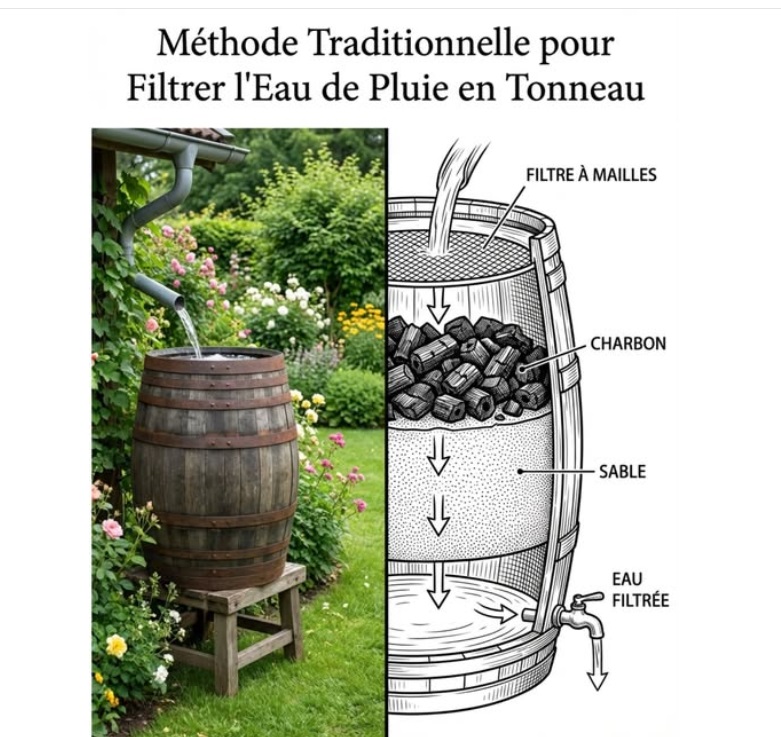
 

Image gallery

Leave a Comment

Your email address will not be published. Required fields are marked *