
Solution proposed by : IRD
Ekolo Mundo does not control the feasibility or viability of the proposed solutions
Structure : IRD (French National Research Institute for Sustainable Development)


Difficulty level :
OVERVIEW
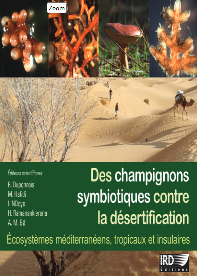
Desertification, the result of a combination of various environmental factors and heightened human pressure on land resources, affects more than 2 billion people worldwide. In the context of current climate change, this situation risks worsening due to the effects of unregulated natural resource management. To combat desertification, sustainable land management (SLM) relies on effective practices to improve local livelihoods, ensure food security for populations, restore natural ecosystems, and reverse this negative environmental trend. In particular, numerous studies have shown that harnessing plant-microorganism symbioses can improve soil fertility and increase the productivity and stability of vegetation cover, whether cultivated or natural. This book provides an overview of the diversity of ecosystems studied and the techniques implemented within the Symetrop network. It describes the various approaches that can be developed to rehabilitate degraded ecosystems in Mediterranean (Algeria, Morocco), tropical (Burkina Faso, Cameroon, Senegal), and island (Madagascar, New Caledonia) environments. Symetrop: a network created by the IRD to organize the community of scientific experts in the field of mycorrhizal symbiosis.
SUMMARY
1. Mycorrhizal symbiosis and tropical ecosystems
2. Mycorrhizal symbiosis and Mediterranean ecosystems
3. Mycorrhizal symbiosis and island ecosystems
4. Examples of tools for analyzing the role of mycorrhizal symbiosis in soil functioning / multivariate analysis
CHARACTERISTICS
Publisher: IRD Editions
Series: Special Edition
Publication date: November 14, 2013