
Solution proposed by : Cyril Mercier
Ekolo Mundo does not control the feasibility or viability of the proposed solutions
Structure : Rhône-Alpes-Auvergne River Association (ARRA2)


Oceanic (temperate) climate
Difficulty level :
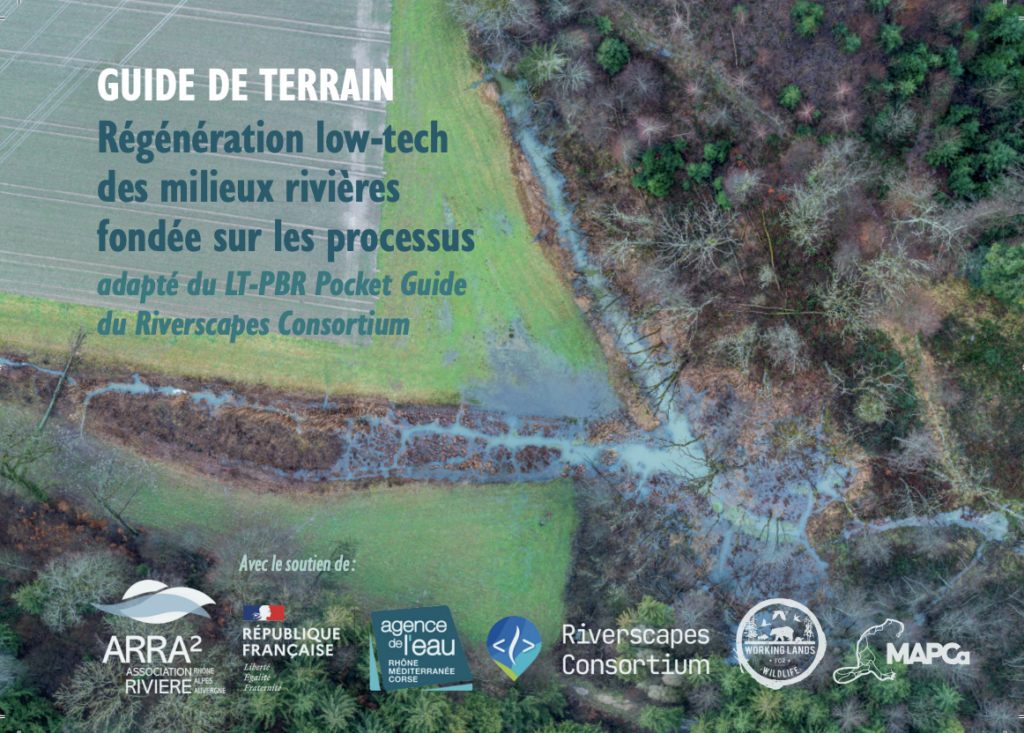
This pocket guide is designed to assist river professionals and practitioners who wish to incorporate process-based, low-tech regeneration into their river restoration practices. In this approach, the idea is not to attempt to replicate and freeze what a river looks like, but rather to reactivate what a river does—how it behaves—in order to restore a healthy, self-sustaining river ecosystem.
It is organized into three sections:
It includes a glossary, which reflects the special attention paid to the choice of vocabulary, as well as a list of resources for further reading: recent publications, studies, dedicated websites and platforms...
This is a free adaptation of the Riverscapes Consortium’s “Low-tech Process-based Restoration of Riverscapes: Pocket Field Guide” for the French-speaking context, designed to facilitate the understanding and implementation of this approach in Europe.
Since 1999, the Association Rivière Rhône Alpes Auvergne (ARRA²) has been coordinating a network of several hundred professionals to exchange ideas, share experiences, and improve technical knowledge on increasingly complex topics related to the comprehensive management of aquatic environments and water.
The association’s objective is to “promote knowledge and exchange among professionals working in the water sector.” The real challenge for all members is improving the condition of aquatic environments.