
Solution proposed by : Cyril Mercier
Ekolo Mundo does not control the feasibility or viability of the proposed solutions
Structure : Social Union for Housing


France
Difficulty level :
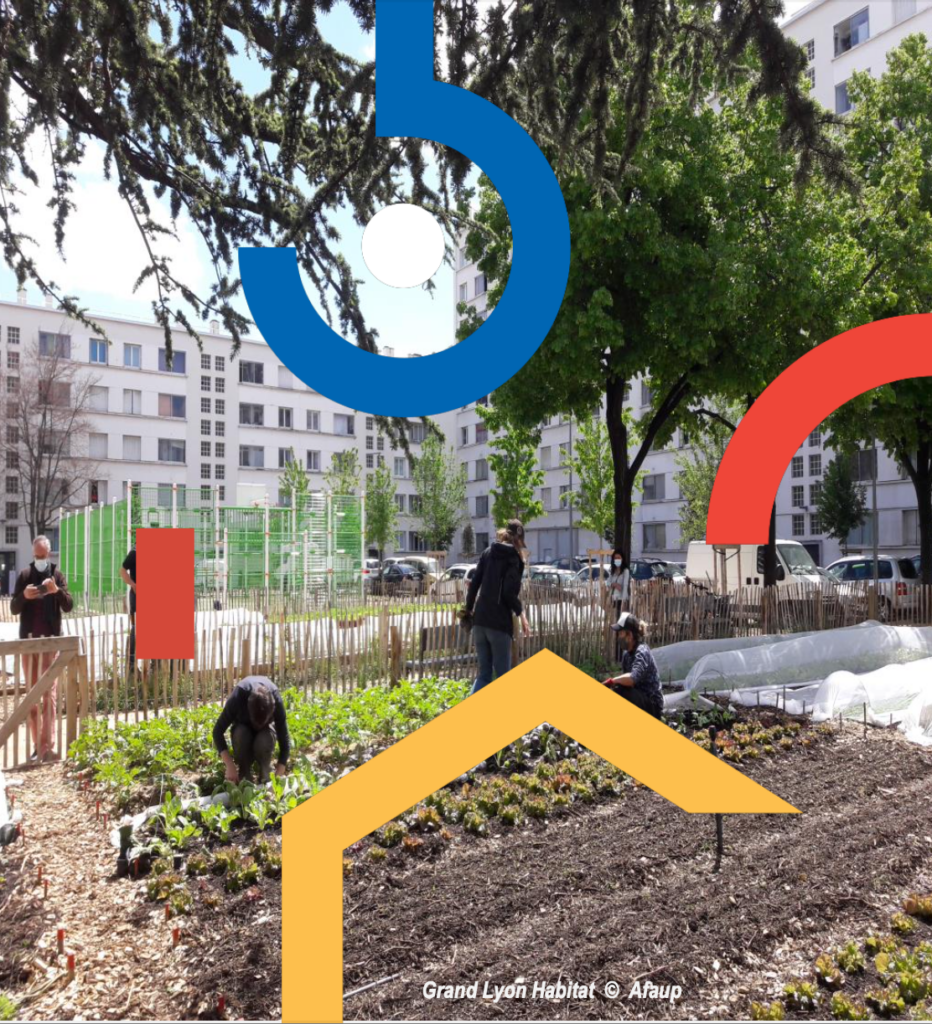
In recent years, urban agriculture has gained significant popularity. While historically, public housing organizations have developed community gardens, many are now experimenting with other forms of agriculture (urban farms, apiaries, eco-grazing, etc.) that serve multiple purposes (food production, commercial, educational, social, environmental, etc.) and are linked to local communities.
In this context, the Union sociale pour l'habitat, in partnership with the Association Française de l’Agriculture Urbaine Professionnelle (AFAUP), the AgroparisTech research office Exp’AU, and the Centre Scientifique et Technique du Bâtiment (CSTB), launched a
study on urban agriculture within the housing stock of social housing organizations.
Indeed, urban agriculture and nature in the city challenge the professional practices and roles of social housing organizations. The issues at stake in local communities are numerous: food and health, quality of life, social cohesion, climate, energy, biodiversity, business development, and employment, among others. Urban agriculture can facilitate projects addressing environmental, social, and/or societal challenges.
It also raises technical issues such as soil and air pollution, health standards, and numerous legal, economic, regulatory, and insurance-related questions for project leaders, local authorities, and operators such as social housing organizations. These operators may have available land or may consider implementing an urban agriculture project to utilize their rooftops, green spaces, parking lots, and building entrances within their property portfolio and promote local food supply for residents.
Based on a survey of public housing organizations as well as case studies of about ten projects by such organizations, this study aims to:
This publication aims to provide very concrete answers to the questions faced by a social housing organization wishing to launch this type of project: community garden, urban farm, or livestock farming? What level of resident participation, what economic model, and what legal and technical frameworks are needed for which market?