
Solution proposed by : IRD
Ekolo Mundo does not control the feasibility or viability of the proposed solutions
Structure : IRD


Brazil
Equatorial climate
Difficulty level :
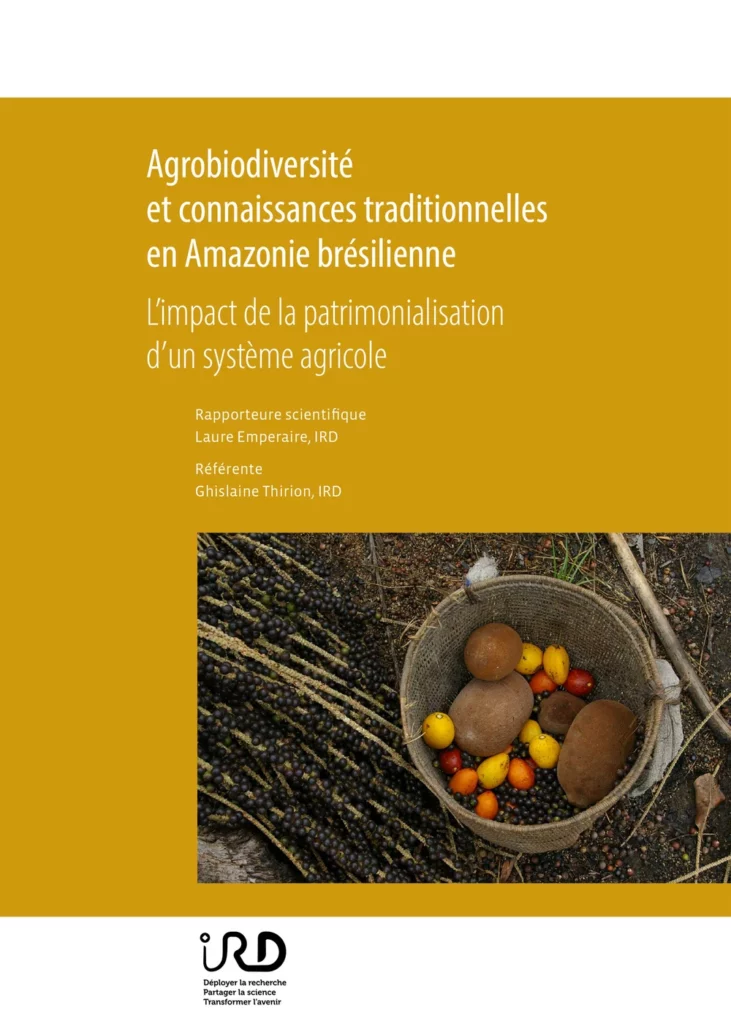
The most striking image of the Amazon is that of a vast forest expanse crisscrossed by a dense network of waterways. Approximately 170 Indigenous peoples live in the Brazilian Amazon. Over the course of their history, each has developed unique ways of producing, conserving, and exchanging plant genetic resources. Nevertheless, their relationship with plants goes beyond the mere notion of a resource. Agrobiodiversity—that is, the diversity of cultivated plants—is rooted in social relationships. It is linked to material culture, dietary choices, knowledge, ways of managing space, and more, hence the concept of the traditional agricultural system (TAS) at the heart of the research project conducted in the Rio Negro region between 2005 and 2019. This project was developed in partnership between the IRD and the State University of Campinas, in close collaboration with the Indigenous associations of the Rio Negro. The national recognition of this Indigenous agriculture as cultural heritage has helped to raise the profile of Indigenous agricultural practices, the plant genetic resources on which they rely, and the expertise of Indigenous peoples in this field. Research has thus shifted from a focus on the conservation of biological resources to the recognition of heritage—that is, ways of conceptualizing traditional agricultural systems as memories, territories, knowledge, and assets for the future.
Publisher: IRD Editions
Series: Chemins d'impacts
Publication date: November 27, 2025
Editorial coordination: Laure Emperaire