
Solution proposed by : CARI
Ekolo Mundo does not control the feasibility or viability of the proposed solutions
Structure : CARI


Subtropical desert climate
Difficulty level :
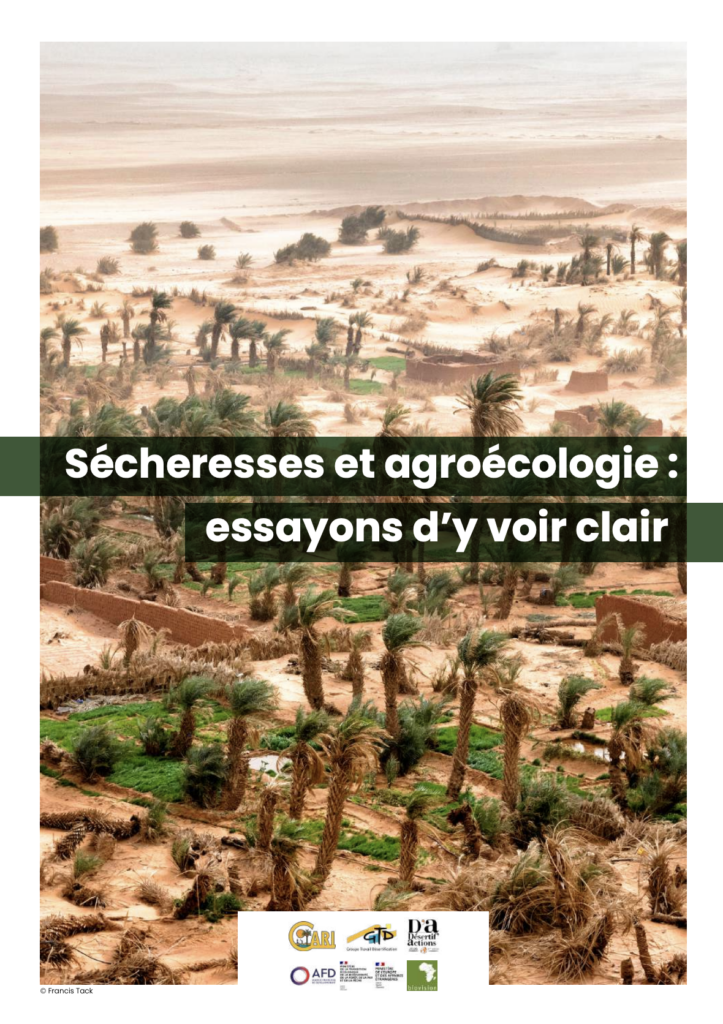
This document stems from a desire to make scientific knowledge regarding the benefits of agroecology in drought management accessible. It is based on a more comprehensive literature review produced by Isabelle Amsallem¹ for CARI 2, offering an educational, action-oriented interpretation of that review for those working on the ground day to day. Without claiming the comprehensiveness of a scientific report, it seeks to bridge the gap between research and practice by shedding light on the concrete challenges of drought management through the lens of agroecology. The goal is to demonstrate, in a clear and practical manner, how agroecological approaches can strengthen the resilience of agricultural systems and rural communities in the face of current and future crises.
Due to its multifaceted consequences, drought is now at the forefront of climate hazards. This phenomenon, which is affecting more and more areas around the world, has major impacts on agricultural production, which it prevents in the short term but can also hinder in the longer term. One of the best responses today appears to be working to increase the resilience of farms, which is precisely what agroecology aims to do. To better understand the current situation and the potential contributions of agroecology to managing these multi-impact events, this document provides answers to questions regarding drought as well as an overview of the levers and tools that agroecology can offer to strengthen farms’ capacity to withstand drought, adapt, and transform. This overview is organized across three scales, as resilience is addressed at the farm level, but also at the regional and national levels. Finally, because agroecology is not yet a commonly used framework in drought management, the final section explores the institutional approaches currently in place.