
Solution proposed by : Cyril Mercier
Ekolo Mundo does not control the feasibility or viability of the proposed solutions
Structure : Être Network


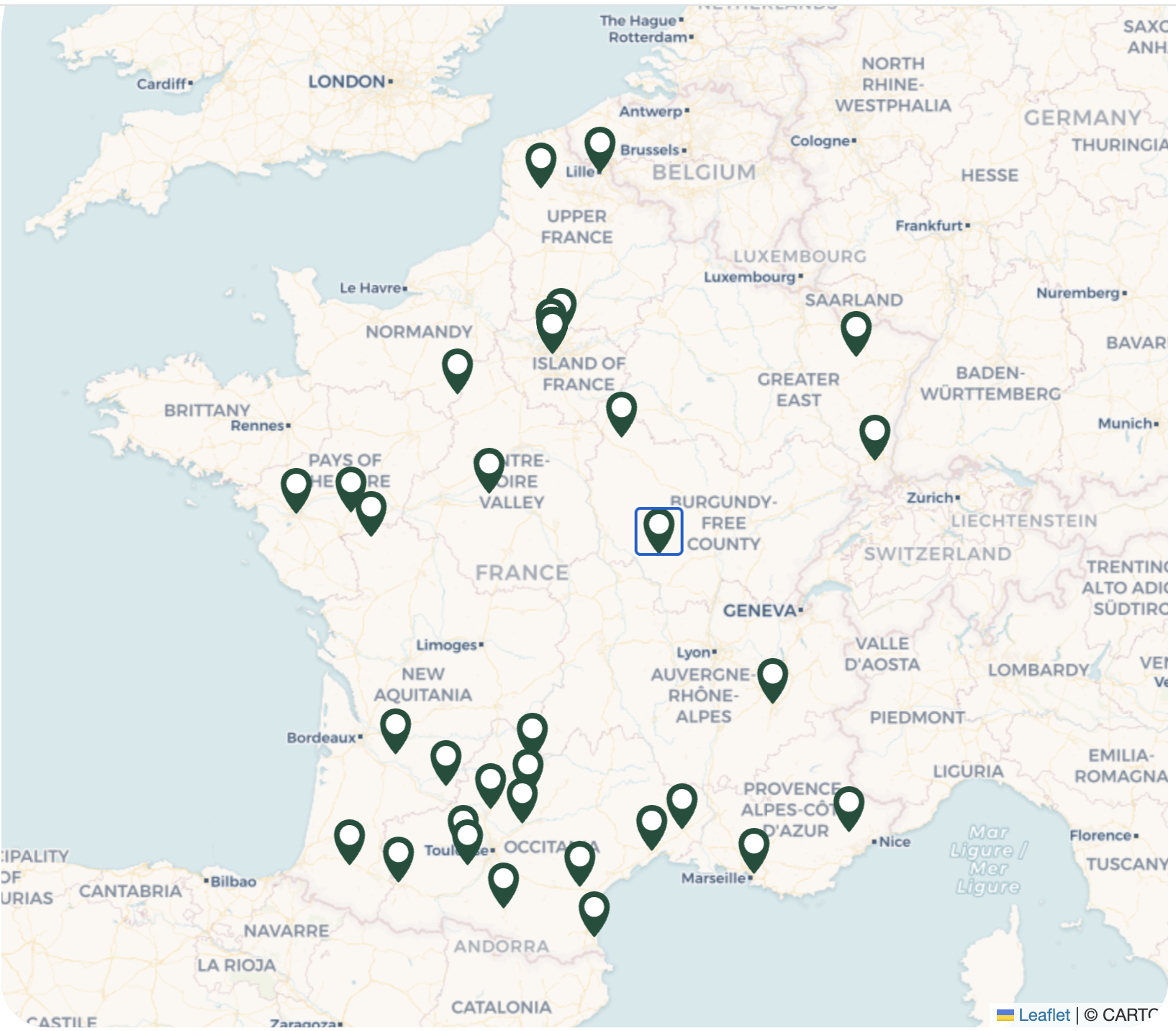
France
Difficulty level :
Although the impact of an ETRE school is wide-ranging and addresses complex societal needs, the ETRE model is simple: to offer hands-on training programs in the trades of the ecological transition for young people aged 16 to 25.
The Ecological Transition Schools (ETRE) support and train young people in the hands-on trades of the ecological transition. In these training programs, which are free for participants, young people gain practical, hands-on experience in the trades essential to the ecological transition, define their career paths, and acquire a wide range of skills in the field. Through their training programs, the ETRE schools fulfill a social mission of integrating young people into jobs of the future while simultaneously helping to accelerate the ecological transition through trades and skills.
The ETRE Schools’ Target Audience
ETRE schools are designed for young people aged 16 to 25 who are out of the workforce and seeking an alternative to the traditional school system. Our students may be school dropouts, have disabilities, be newcomers to France, be searching for meaning, or be facing health challenges. They come to ETRE schools through partnerships with integration organizations (Mission Locale, MLDS – Mission to Combat School Dropout, PJJ – Judicial Protection of Youth, etc.), but also increasingly through word of mouth or thanks to outreach efforts in local neighborhoods. With motivation as the only prerequisite, ETRE schools welcome every young person free of charge, regardless of their background, and support them at their own pace toward a sustainable professional future.
The ETRE Approach
ETRE schools offer a progressive program consisting of three training tracks: the discovery track (1 week to 1 month), the vocational track (3 to 4 months), and pre-qualification for a vocational program (3 to 4 months). Each program alternates between hands-on projects and workshops (construction, renewable energy, agroecology, etc.), company visits, and meetings with professionals, along with personalized socio-professional support. This immersive educational model allows young people to explore real-world careers, test themselves in different environments, and build their career plans within a supportive and dynamic setting.